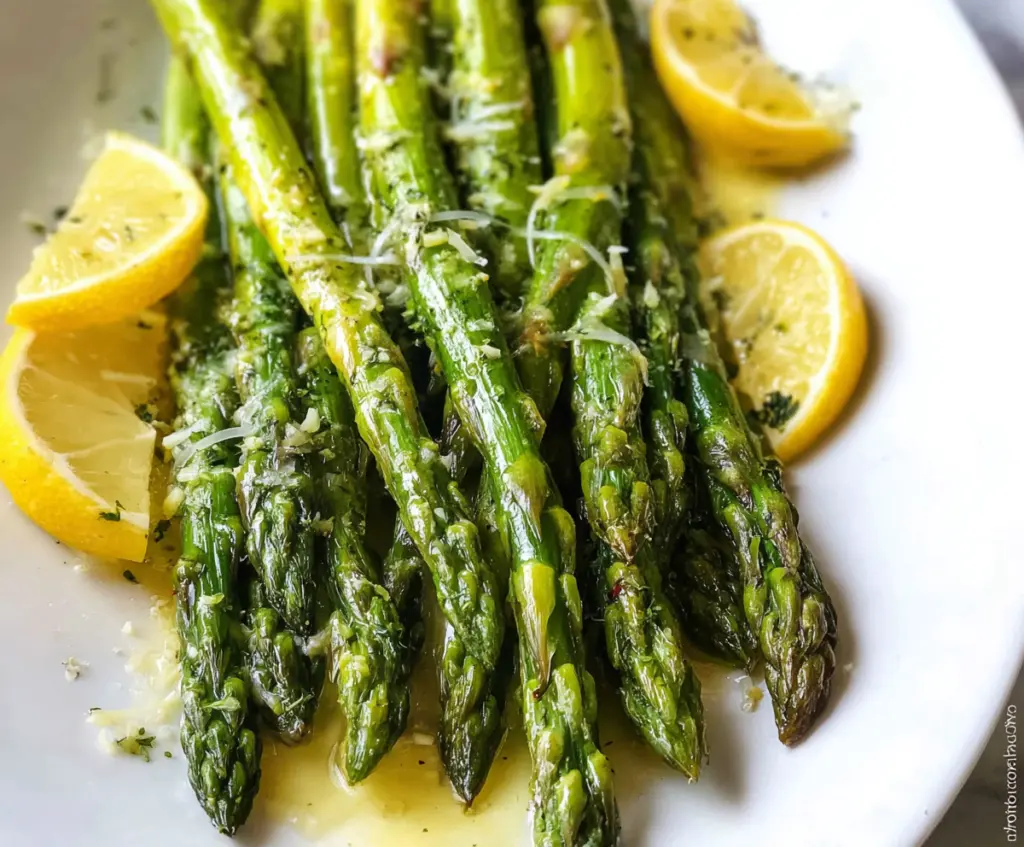
Lemon Butter Asparagus is a simple and bright side dish that brings a fresh, tangy twist to tender asparagus spears. The asparagus is lightly cooked until just crisp-tender, then tossed in a buttery lemon sauce that adds a perfect balance of richness and zing. It’s an easy way to make veggies feel special without a lot of fuss.
I love making this when I want something quick but a little fancy on the table. The lemon really wakes up the flavor, and the butter adds a nice smooth finish that makes every bite feel like a treat. Sometimes I like to sprinkle a little extra black pepper or grated Parmesan on top for a bit more kick.
This dish pairs so well with grilled chicken or fish, making it a great side for weeknight dinners or weekend meals alike. I often think of it as a little sunshine on the plate, especially on chilly days when I want something bright and fresh to balance out the heavier mains.
Key Ingredients & Substitutions
Asparagus: Fresh asparagus is the star here. Look for firm stalks with closed tips for the best texture and flavor. If you can’t find asparagus, green beans or broccolini make decent substitutes.
Butter: Unsalted butter brings a rich, creamy taste that pairs well with lemon. If you want a lighter option, olive oil works great too, adding a different but delicious flavor.
Lemon: Both zest and juice brighten this dish with fresh citrus notes. If you don’t have fresh lemon, a splash of bottled lemon juice can work, but zest is really key for that vibrant taste.
Garlic: Minced fresh garlic gives a lovely aroma. If fresh garlic isn’t available, garlic powder is a quick alternative, but use it sparingly to avoid overpowering the dish.
Parmesan Cheese & Parsley (Optional): Parmesan adds a salty, nutty finish. For dairy-free options, leave it out or sprinkle with toasted nuts like almonds. Fresh parsley adds color and mild herb flavor, but you can skip it if unavailable.
How Do I Cook Asparagus So It’s Tender but Still Crisp?
The key is timing and heat. You want to soften the asparagus without making it mushy.
- Trim the tough ends by snapping off the bottom 1-2 inches; asparagus will naturally break where it’s woody.
- Heat butter over medium, then add garlic to infuse flavor without burning.
- Add asparagus and toss often for even cooking.
- Cook for about 5-7 minutes; test by piercing with a fork—it should go through easily but still feel firm.
- Finish with lemon juice and zest for freshness, tossing briefly to warm without overcooking.
With practice, you’ll find perfect timing for your stove and asparagus size. Remember: turning often helps cook evenly and keeps the veggies bright and fresh.
Equipment You’ll Need
- Large skillet – I prefer this because it heats evenly and makes tossing the asparagus easy.
- Juicer or citrus reamer – helps extract maximum juice from the lemon for a bright flavor.
- Cooking spoon or tongs – ideal for turning the asparagus to cook evenly without breaking the stalks.
- Microplane or cheese grater – perfect for zesting the lemon and grating Parmesan cheese if using fresh.
Flavor Variations & Add-Ins
- Add cooked shrimp or scallops for a seafood twist that pairs well with lemon and butter.
- Mix in cherry tomatoes or roasted bell peppers for extra color and sweetness.
- Sprinkle with red pepper flakes or a dash of hot sauce if you like a bit of heat.
- Use fresh herbs like dill or basil instead of parsley for a different herbal note.
Delicious Lemon Butter Asparagus
Ingredients You’ll Need:
Main Ingredients:
- 1 bunch fresh asparagus (about 1 lb), trimmed
- 2 tablespoons unsalted butter
- 1 lemon (zested and juiced)
- 1 garlic clove, minced
- Salt, to taste
- Freshly ground black pepper, to taste
Optional Toppings:
- 2 tablespoons grated Parmesan cheese
- 1 tablespoon fresh parsley, chopped
- Lemon wedges, for garnish
Time Needed
This recipe takes about 10-12 minutes in total — 5 minutes for prepping the asparagus and 5-7 minutes for cooking. It’s quick, easy, and perfect for a tasty side dish any day of the week!
Step-by-Step Instructions:
1. Prepare the Asparagus
Start by rinsing the asparagus under cool water. Then, snap or cut off the woody ends—usually about 1 to 2 inches from the bottom. This makes sure you only cook the tender, tasty parts.
2. Sauté the Garlic and Butter
Heat a large skillet over medium heat and melt the butter. Add the minced garlic and sauté it gently for 30 seconds to a minute. You want your kitchen smelling wonderful, but be careful not to let the garlic brown or burn.
3. Cook the Asparagus
Add the trimmed asparagus to the skillet. Toss it around so every stalk gets coated with the garlic butter. Cook the asparagus for 5 to 7 minutes, turning it occasionally. You want the spears to be tender but still a little crisp and bright green.
4. Add Lemon and Season
Pour in the fresh lemon juice and sprinkle the lemon zest over the asparagus. Season with salt and freshly ground black pepper to your liking. Toss everything together and cook for another 1 to 2 minutes, just until warmed through.
5. Serve and Garnish
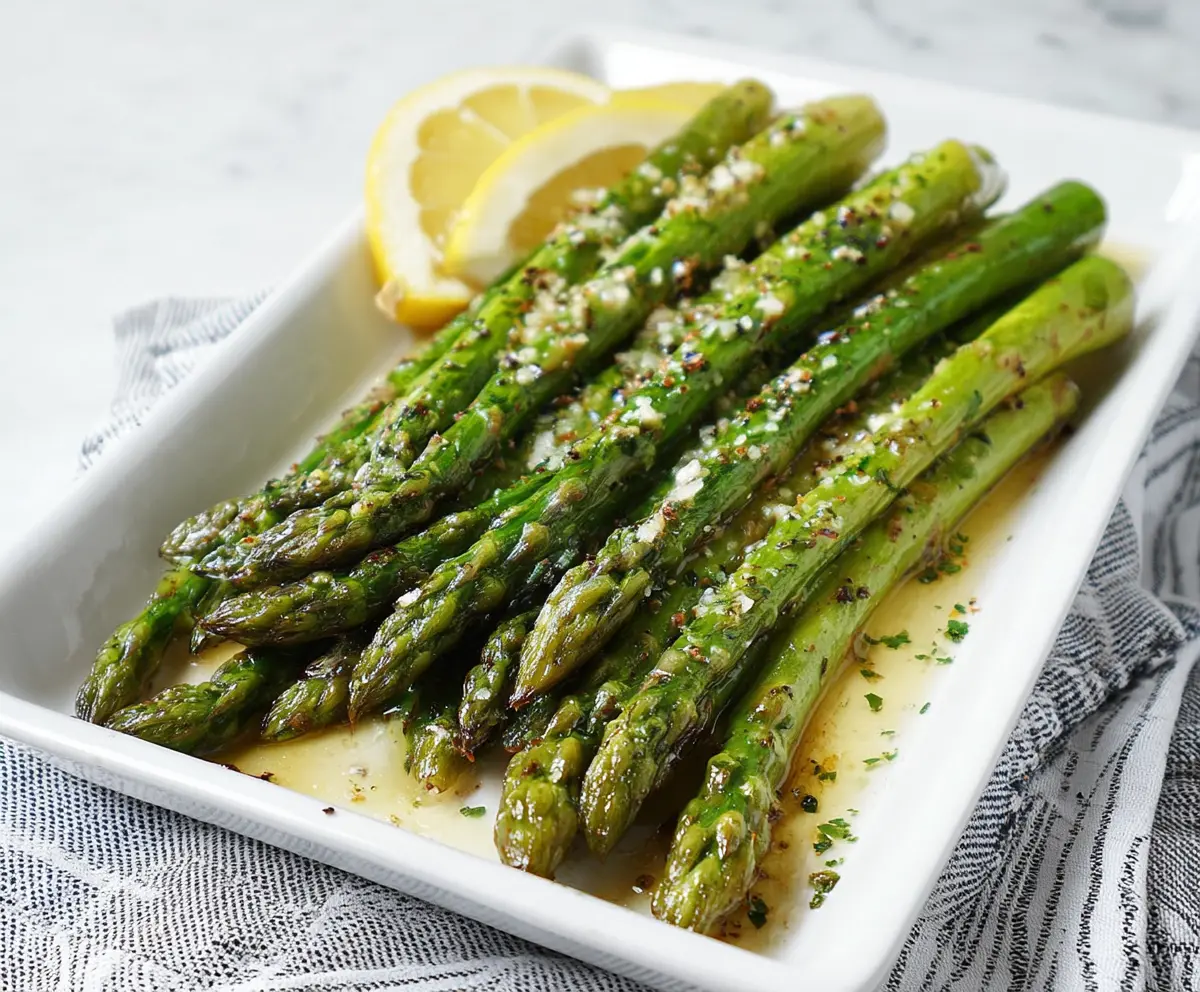
Remove the pan from the heat and transfer your cooked asparagus to a serving plate. If you like, sprinkle grated Parmesan cheese and chopped parsley on top. Add lemon wedges on the side for an extra burst of fresh citrus when serving.
Enjoy your bright, flavorful Lemon Butter Asparagus! It’s a super simple dish that pairs wonderfully with many meals.
Can I Use Frozen Asparagus for This Recipe?
Yes, you can use frozen asparagus, but be sure to thaw it completely and pat dry to avoid excess moisture. Cooking time may be slightly shorter since frozen asparagus is often softer.
How Should I Store Leftover Lemon Butter Asparagus?
Store leftovers in an airtight container in the fridge for up to 3 days. Reheat gently in a skillet over low heat or in the microwave to keep it tender and flavorful.
Can I Substitute Olive Oil for Butter?
Absolutely! Olive oil is a great alternative if you want a lighter or dairy-free version. It will bring a slightly different flavor but still pairs beautifully with lemon and garlic.
What Can I Serve With Lemon Butter Asparagus?
This dish goes well alongside grilled chicken, fish, or steak. It also makes a fresh, bright side for pasta or rice dishes, balancing richer main courses perfectly.