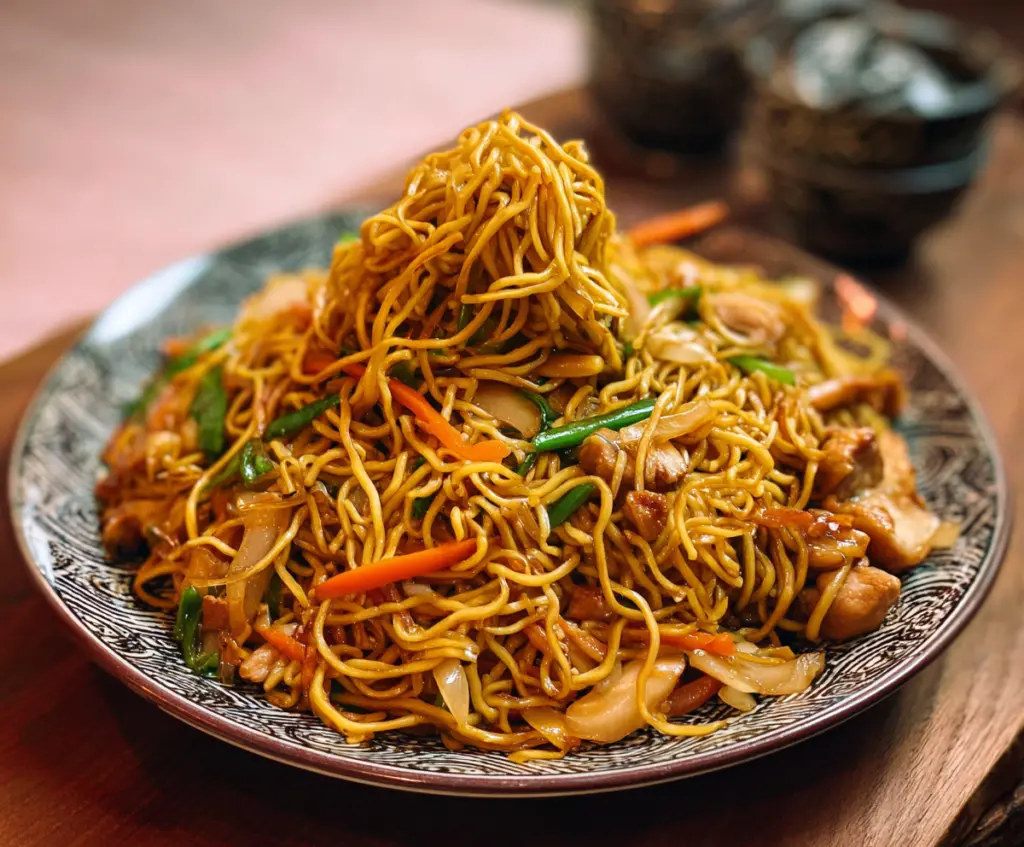
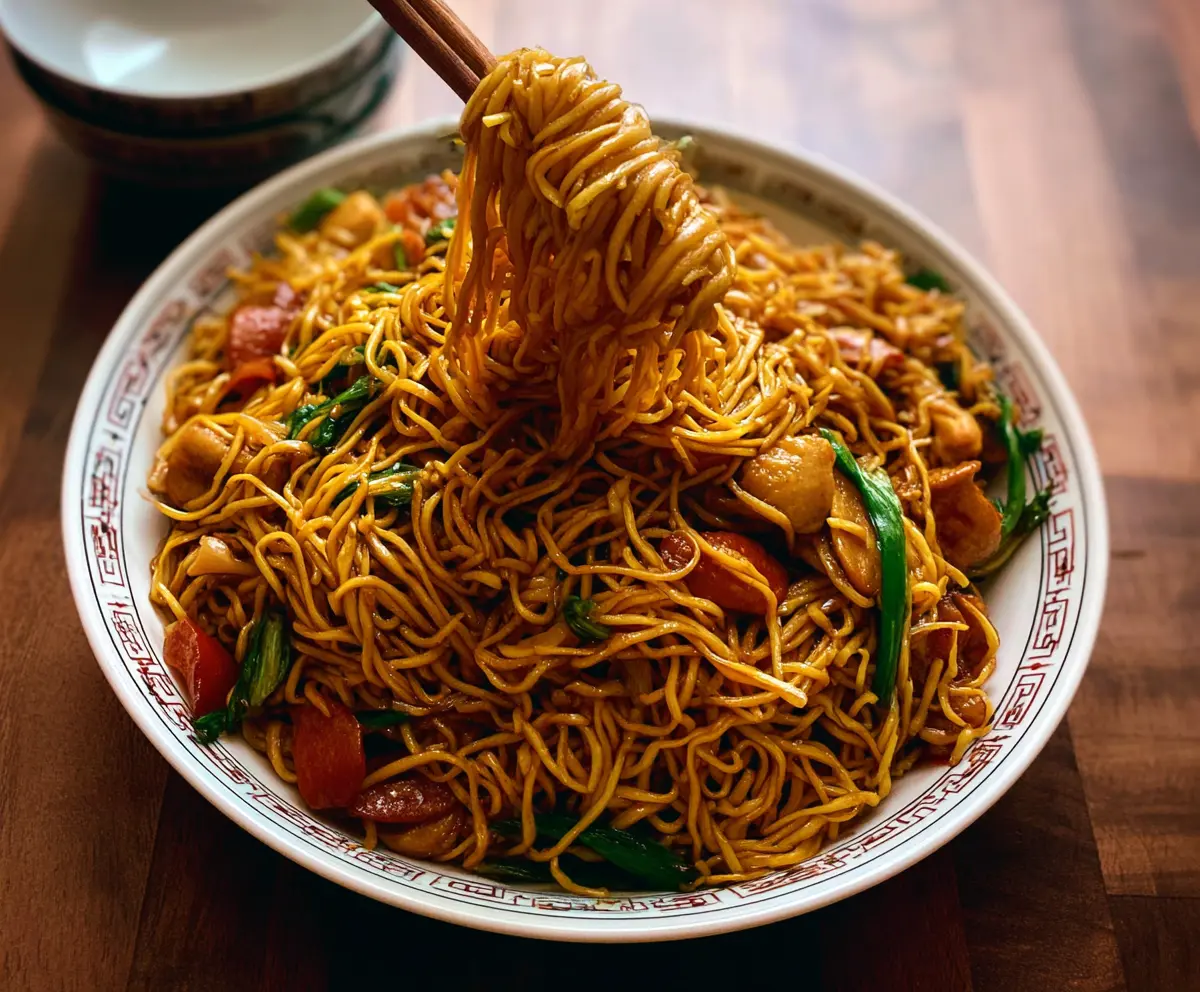
Chow Mein is a classic, comforting dish filled with crispy noodles, tender vegetables, and savory sauce that’s perfect for a quick and tasty meal. It usually features ingredients like cabbage, carrots, and sometimes chicken or shrimp, all stir-fried together to create a satisfying mix of flavors and textures.
I love making Chow Mein because it’s so easy to customize—whether I’m using leftover chicken or just piling on extra veggies. The noodles get that wonderful slightly crispy edge, and the sauce brings everything together with a little bit of soy sauce goodness. It’s one of those meals that feels like a treat, even when it’s made on a busy weeknight.
My favorite way to serve Chow Mein is straight from the wok, with a sprinkle of green onions on top for a fresh pop of flavor. It’s great on its own or paired with a simple side like steamed dumplings or an egg drop soup. Whenever I make it, the whole family gathers around, and I love seeing everyone dig in and ask for seconds!
Key Ingredients & Substitutions
Noodles: Chow mein noodles or egg noodles work best for that tender yet slightly chewy texture. If you can’t find them, thin spaghetti or ramen noodles can work as a substitute, but cook them carefully to avoid mushiness.
Vegetables: Cabbage, carrots, and green beans add crunch and color. Feel free to swap in bell peppers, snap peas, or bean sprouts depending on what you have or prefer. Fresh veggies make a big difference!
Protein: Chicken is a popular choice, but you can also use shrimp, beef, tofu, or leave it out entirely for a simple veggie chow mein. Leftover cooked meats work well and save time.
Sauces: Soy and oyster sauces bring a savory punch. If you need a vegetarian option, use vegetarian oyster sauce (made from mushrooms) or extra soy sauce. Dark soy sauce helps deepen the color and flavor but isn’t mandatory.
How Do You Get Perfectly Stir-Fried Noodles Without Sogginess?
Keeping the noodles just right is key for good chow mein. Here’s how I do it:
- Cook noodles until just tender, not soft. This keeps them from turning mushy later.
- Rinse with cold water after draining to stop cooking and to reduce stickiness.
- Use high heat and plenty of oil when stir-frying to keep noodles separate and lightly crispy.
- Don’t overcrowd the wok or pan — cook in batches if needed so everything fries evenly.
- Toss ingredients quickly and gently so noodles don’t break apart but get coated in sauce.
These steps help create chow mein noodles that are flavorful and have a great texture every time.
Equipment You’ll Need
- Large wok or big skillet – I recommend this for quick, high-heat stir-frying that gives the noodles a nice sear.
- Pot for boiling noodles – helps cook the noodles smoothly without sticking.
- Strainer or colander – for rinsing the noodles quickly and efficiently.
- Measuring spoons and cups – for precise sauce measurements.
- Spatula or tongs – to toss and mix everything evenly during stir-frying.
Flavor Variations & Add-Ins
- Add cooked shrimp, beef, or tofu instead of chicken for different flavors and textures.
- Use hoisin sauce or chili garlic sauce to change the flavor profile or add some heat.
- Mix in shredded fresh ginger or a splash of rice vinegar for a bright, tangy twist.
- Top with crushed peanuts or sesame seeds for extra crunch and flavor.
How to Make Chow Mein?
Ingredients You’ll Need:
- 200g dried chow mein noodles or egg noodles
- 2 tbsp vegetable oil (for stir frying)
- 2 cloves garlic, minced
- 1 small onion, sliced
- 1 cup cabbage, roughly chopped
- 1 medium carrot, julienned
- 4-5 green beans or snap peas, cut into bite-sized pieces
- 150g chicken breast or thigh, thinly sliced (optional)
- 2 tbsp soy sauce
- 1 tbsp oyster sauce
- 1 tsp dark soy sauce (for color)
- 1 tsp sesame oil
- Salt and pepper to taste
- 2 green onions, chopped (for garnish)
How Much Time Will You Need?
This Chow Mein recipe takes about 15 minutes to prepare and cook. Most of the time goes into chopping vegetables and stir-frying, making it perfect for a quick weeknight dinner.
Step-by-Step Instructions:
1. Cook the Noodles:
Follow the package instructions to cook the chow mein or egg noodles until they’re just tender but still firm. Drain them well and rinse with cold water to stop the cooking. Set them aside while you prepare everything else.
2. Stir-Fry the Chicken (Optional):
Heat 1 tablespoon of vegetable oil in a large wok or skillet over medium-high heat. Add the sliced chicken and stir-fry until it’s fully cooked, about 4-5 minutes. Remove the chicken from the wok and set aside.
3. Cook the Vegetables:
Add the remaining 1 tablespoon of vegetable oil to your wok. Toss in the minced garlic and sliced onion, stirring for about 30 seconds until you can smell the lovely aroma. Then add the carrots, cabbage, and green beans or snap peas. Stir-fry these veggies for 2 to 3 minutes until they’re crisp but tender.
4. Combine Ingredients and Sauce:
Return the cooked chicken into the wok with the veggies (if using). Add the cooked noodles and toss everything together so they mix well. Pour soy sauce, oyster sauce, and dark soy sauce evenly over the noodles. Toss gently for 2 to 3 minutes, allowing the noodles to soak up the rich flavors.
5. Finish and Serve:
Drizzle the sesame oil over the chow mein and season with salt and pepper to your liking. Give everything one last toss to blend the flavors evenly. Remove the wok from heat, transfer the chow mein to a serving plate, and sprinkle with chopped green onions on top.
Serve it hot and enjoy your delicious, savory Chow Mein!
Can I Use Frozen Vegetables for Chow Mein?
Yes, you can! Just make sure to thaw and drain them well before stir-frying to avoid excess moisture that can make the noodles soggy.
Can I Substitute Chicken with Other Proteins?
Absolutely! Shrimp, beef, tofu, or even just extra vegetables work wonderfully. Adjust cooking times accordingly to ensure your protein is cooked perfectly.
How Should I Store Leftover Chow Mein?
Store leftovers in an airtight container in the refrigerator for up to 3 days. Reheat gently in a pan or microwave, adding a splash of water or soy sauce if it seems dry.
Can I Make Chow Mein Ahead of Time?
Yes! Prepare and cook everything but combine the noodles and sauce just before serving to keep the noodles from getting mushy.